
When we hear the word “Accessibility,” we think of ramps and elevators. But a ramp is useless if the person using it is met with stares, whispers, or pity. To make India truly “Barrier-Free,” we first have to remove the barriers in our own heads.
1. Wheels are Just Shoes
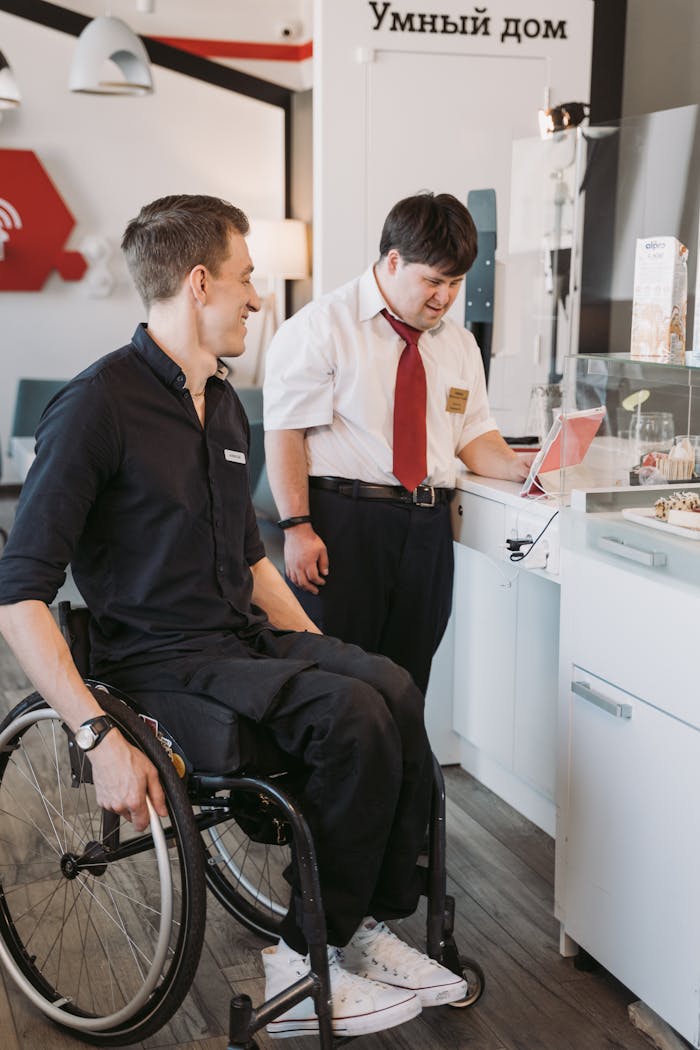
Think about why you wear shoes. You wear them to walk comfortably and protect your feet. For someone who cannot walk, a wheelchair does the exact same thing it helps them move.
There is no difference. * You use your feet and shoes; they use their hands and wheels.
- You are both just “getting ready” to go to work, school, or the market.
When we stop looking at a wheelchair as a “sad thing” and start seeing it as a tool for freedom (just like a bicycle or a pair of sneakers), we break the first and biggest taboo.

2. Stop the “Pity” and the “Staring.”
In India, we often have two reactions when we see someone with a different body:
- We stare because we are curious.
- We feel pity and say “poor thing” (bechara).
Both of these reactions are wrong. People with disabilities don’t want your pity; they want your respect. They don’t want to be your “inspiration”; when they come out like you to buy something they just want to buy their groceries and live their lives without being treated like a stranger from another planet.

3. Every Body is a “Normal” Body
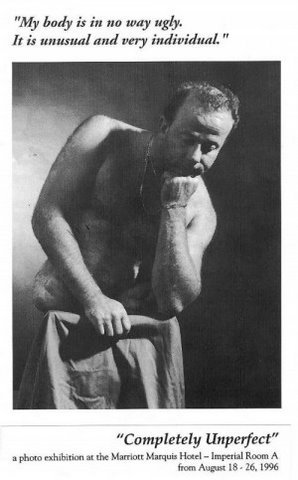
We have been taught that a “strong” or “normal” body has to look a certain way. But look around India, we are a country of a billion different faces and shapes.
A body that uses a prosthetic limb or a wheelchair is a strong body. It is a body that has learned to master the world in a different way. We need to see these bodies everywhere in our movies, in our ads, and in our offices until it becomes totally normal.
4. Your Action, Right Now, Can Change Everything.
Ramps will be built. Laws will be passed. But the true revolution happens in the small, everyday moments.

Demand Better Representation: Support media, brands, and policies that genuinely include people with disabilities as part of our vibrant, everyday tapestry, not as token gestures.
Look Them in the Eye: And engage them directly.
Offer Help, Respect Refusal: Don’t assume. Ask, “May I help?” If they say no, accept it gracefully. Their independence is paramount.
Dr.Jean
International Rehabilitation expertParis, France